
Leading a Pack Hike
You don’t need to be an expert hiker to lead a great pack hike.
If you can plan a safe route, communicate clearly, and keep things moving at a comfortable pace, you already have what it takes.
This page is meant to be your first stop when you’re thinking about leading a hike — whether it’s your first time or your fifth. Use what’s helpful, skip what’s not, and know that you’re supported.


A simple way to plan a pack hike
Most successful pack hikes follow the same simple flow. You don’t need anything fancy.
1. Pick the location
Choose a place that’s easy to find, has clear parking, and offers a trail length that fits a wide range of ages.
2. Set expectations early
Parents mostly want to know where to go, how long the hike will be, and what their Scout should bring.
3. Keep it relaxed and flexible
Cub Scout hikes are about being outdoors together — not finishing fast or going far.
If you keep those three things in mind, you’re doing it right.


Planning for multiple ages (K-5)
Because our pack includes Kindergarten through 5th grade, it often helps to plan two route options:
Primary route: about 1.5–2 miles, flatter and slower paced
Optional extension: a short add-on for older Scouts who want more
This gives families flexibility and helps everyone feel successful.
Helpful mindset:
Plan the shorter route first. If the group is feeling good, the extension is a bonus — not a requirement.


Things to Think about ahead of time
You don’t need to solve every possible problem — just a few basics go a long way.
Trail considerations
Is the footing generally safe for younger Scouts?
Are there major hazards (steep drop-offs, fast water)?
Is it a loop or out-and-back (both work well)?
Logistics
Clear parking location and meeting spot
Whether bathrooms are available
Approximate total time (including snack breaks)
Communication
Share the Six Essentials ahead of time
Let families know the pace will be kid-friendly
Ask parents to stay with their own Scout during the hike
Local Hike Ideas
These are locations that tend to work well for pack hikes. Distances are approximate and can usually be adjusted by turning around early or adding a short extension.
Catoctin Creek Park (Middletown)
Why it works: Calm park setting, easy loop options, good for newer hikers
Approximate distance: ~1.5 mile loop
Parking: Near the nature center lot
Good for: First-time hike leaders or younger-heavy groups
Monocacy National Battlefield – Worthington Farm area
Why it works: Wide trails, interesting history, easy to talk while walking
Approximate distance: ~1.6 miles
Parking: Worthington Farm parking area
Good for: Mixed ages and Scouts who like learning while walking
Carroll Creek Linear Park (Frederick)
Why it works: Flat, paved, bathrooms and food nearby
Approximate distance: ~1.8 miles
Parking: Public parking garages near the creek
Good for: Brand-new hikers or colder months
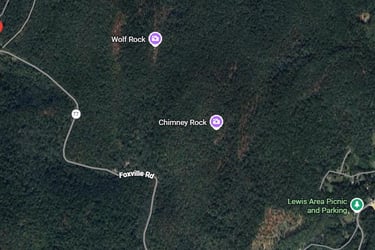
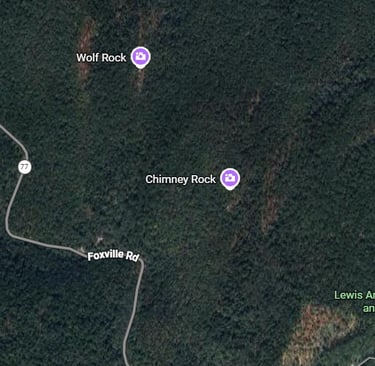
Catoctin Mountain Park (Visitor Center area)
Why it works: Feels like “real hiking” while still being manageable
Approximate distance: ~2 miles
Parking: Catoctin Mountain Park Visitor Center
Good for: Older Scouts or groups ready for a little elevation
Ballenger Creek Park
Why it works: Long paved trail — easy to choose your distance
Approximate distance: 1.5–2 mile out-and-back
Parking: Main Ballenger Creek Park lots
Good for: Flexible pacing and large groups
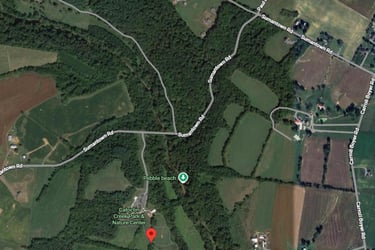
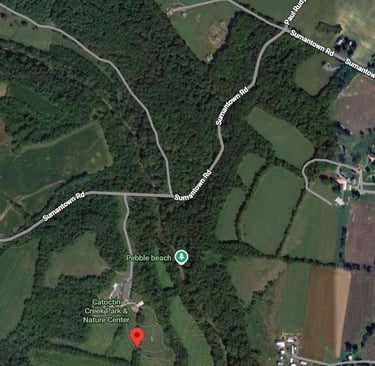
2929 Sumantown Road, Middletown, MD
Park Website
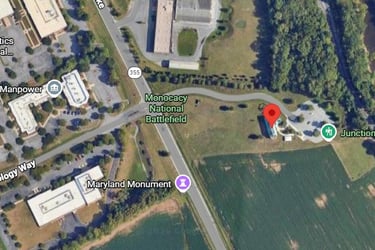
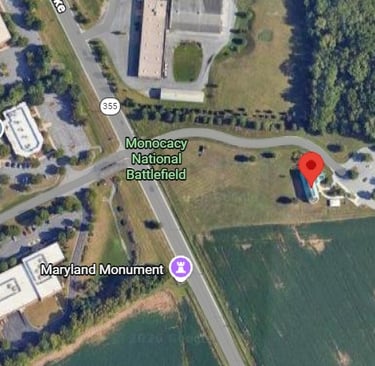
5201 Urbana Pike, Frederick, MD
Park Website


2 South Court Street, Frederick, MD
Park Website
14707 Park Central Road, Thurmont, MD
Park Website
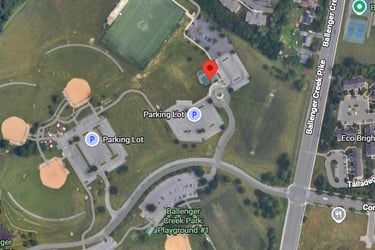
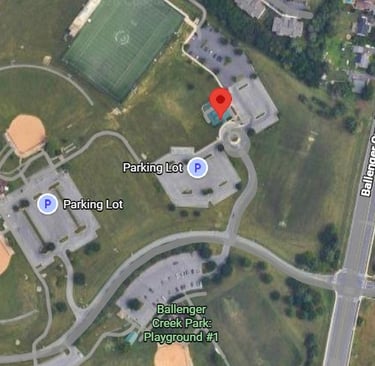
5420 Ballenger Creek Pike, Frederick, MD
Park Website
Activities you can rotate on hikes
Our scavenger hunt bingo (winter edition) and Six Essentials practice bingo are two examples of simple activity sheets that can work well on a pack hike. They’re easy to use, optional, and give Scouts something fun to focus on while walking.
You don’t need an activity for every hike — but having one available can help keep younger Scouts engaged and give the hike a little extra structure.
If you’d like to mix things up, here are a few other activity ideas that work well for Cub Scouts and can be turned into simple one-page handouts:
Five Senses Nature Pause
Stop once during the hike and have Scouts notice one thing they can see, hear, smell, and feel (safely).Trail Shapes & Colors
Look for natural shapes and colors along the trail (circles, lines, rough textures, bright leaves, etc.).Trail Scientist - Try Our Sample here
Count or tally things you notice on the hike — birds, squirrels, tracks, interesting leaves, or trail markers.Leave No Trace Spotting
Look for good trail behavior: staying on the path, packing out trash, respecting plants and wildlife.Landmark Memory Game
Point out a few landmarks along the way (a bridge, sign, big tree) and see who remembers them on the return.
These activities are meant to be flexible and low-pressure. Leaders can use one, modify an idea, or skip activities entirely depending on the group, weather, and energy level.
Over time, we may add a few more sample activity sheets here — and leaders are always welcome to create their own.
After the Hike
After you complete the hike, be sure to log the activity miles in Scoutbook. If you need help doing this, you can follow this how-to guide we created for you.
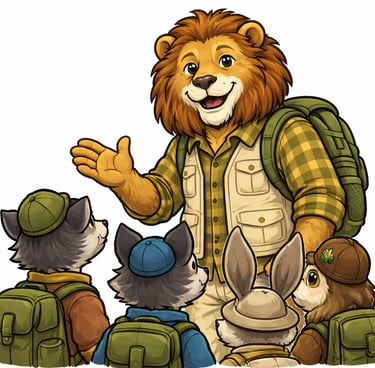
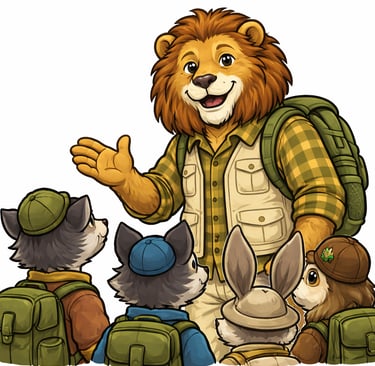
A quick welcome script you can use
Feel free to use this word-for-word or adjust it to your style:
“Thanks for coming today! This is a relaxed pack hike. We’ll stay together, take breaks as needed, and keep a pace that works for our youngest hikers.
Please stay with your Scout, and if you need to leave early, just let me know so I can update the headcount. Let’s have fun and enjoy being outside together.”
That’s all you need.
Helpful Downloads
To make leading easier, we keep a few ready-to-use resources here:
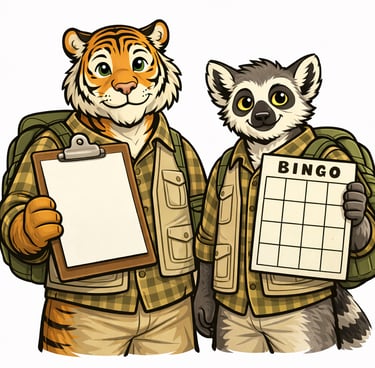
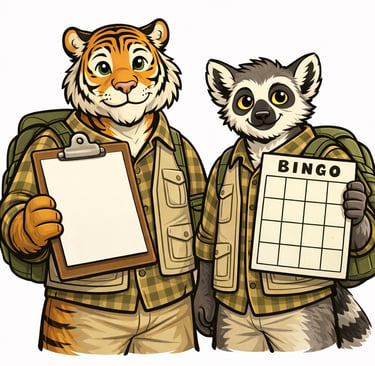
Sample hike sign-up sheet
Hike scavenger hunt bingo (winter edition)
If you ever want help creating new activity sheets, just ask — we’re happy to build more as a pack.
Still have questions?
If you’re unsure about a location, distance, or anything else — you’re not alone.
Reach out to another leader or the committee. We’re all learning together, and no one is expected to figure it out on their own.


Cub Scouts
Pack 628
New Market, MD
(c) Cub Scout Pack 628, 2015
Connect


