BALOO Training
(Explained for New Cub Scout Leaders)
If you’re a newer Cub Scout leader — or a parent who volunteered and is still figuring things out — BALOO training can sound intimidating at first. You are not alone.
The good news is that BALOO is designed for regular parents and leaders, not expert campers. Its goal is to help packs run safe, simple, and fun overnight activities — and to help leaders feel confident doing so.
If you’ve ever thought, “I want to help, but I’m not sure I know enough,” this page is for you.


What Is BALOO Training?
BALOO stands for Basic Adult Leader Outdoor Orientation.
It is the primary training for Cub Scout leaders who want to help lead pack camping or Webelos den overnight activities. In most councils, a BALOO-trained leader is required to be present for these overnights.
Think of BALOO as:
A guide to Cub-Scout-appropriate camping
A safety and planning overview
A confidence booster for leaders who didn’t grow up in Scouting
Why Take BALOO?
BALOO helps take the guesswork out of camping and replaces it with shared understanding.
It helps leaders:
Understand what Cub Scouts can and cannot do on campouts
Feel more comfortable helping with outdoor activities
Reduce stress by knowing the expectations ahead of time
Give the pack more flexibility when planning overnighters
You don’t need to be “the camping expert.” BALOO helps everyone feel more confident together.
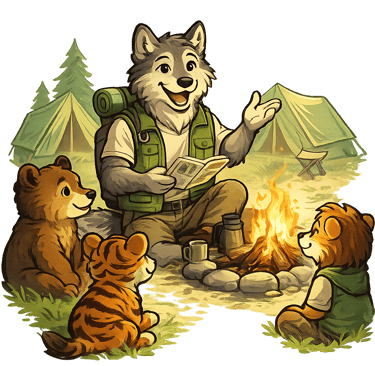
What Should I Expect at BALOO?
BALOO training is usually split into two parts:
An online training completed ahead of time
An in-person, hands-on session, often including an overnight stay
The in-person portion is practical and focused on Cub Scouts. Topics often include:
Campsite setup and layout
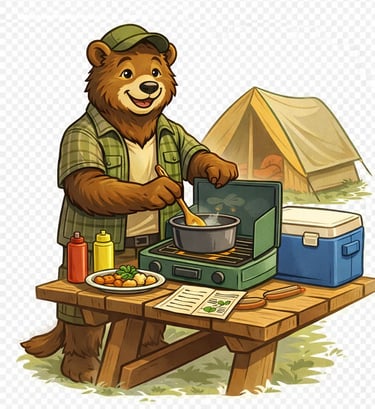
Simple outdoor cooking ideas
Safety, weather awareness, and planning
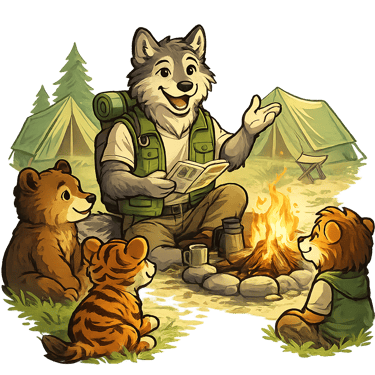
Campfire programs and age-appropriate activities
Most courses are relaxed and supportive. Many attendees are learning right alongside you.
What Should I Bring?
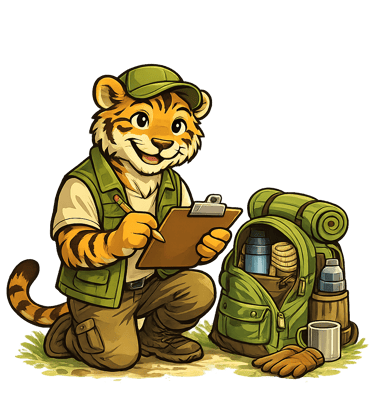
Exact requirements vary by course, but most BALOO weekends recommend bringing basic camping items.
Common essentials:
Proof of completed online BALOO training
Tent (or coordinate with another leader)
Sleeping bag and sleeping pad
Weather-appropriate clothing and rain jacket
Flashlight or headlamp
Reusable water bottle
Personal toiletries and medications
Nice to have:
Camp chair
Notebook and pen
Extra socks
If you don’t have camping gear, ask — many packs can help. BALOO is not a test of equipment ownership.

Still Have Questions?
It’s completely normal to feel unsure about BALOO — especially if you didn’t grow up in Scouting.
You don’t need to know everything before you sign up. BALOO is about learning together, asking questions, and feeling more comfortable helping our kids have safe, memorable outdoor experiences.
If you’re unsure which training works best for our pack, talk with a pack leader or training coordinator. Many of us started in the same place.
Upcoming & Past BALOO Trainings
BALOO trainings are offered throughout the year by local councils and districts. Dates and locations change, so this section can be updated as new opportunities become available.
Below are examples of BALOO trainings offered in or near Maryland.
Upcoming:
Prince William District Baloo Training March 2025 - Camp Snyder, Virginia
March 14-15, 2026
Info and Registration can be found hereCarroll District BALOO — Walkersville Watershed
April 17–18, 2026 (Baltimore Area Council)
Info and Registration can be found hereNational Pike District BALOO (Spring) — Mt. Airy area
May 8–9, 2026 (Baltimore Area Council)
Where to find additional trainings:
Baltimore Area Council training pages (also see their Calendar Pages)
These sites are updated regularly and may list additional BALOO opportunities.
Past trainings:
Riverhawk District Fall 2025 Baloo - September 6-7, 2025
Prince William District Baloo Training October 2025 - October 4-5, 2025
National Pike District BALOO — November 2025
(Links to past events can still be helpful when watching for future sessions.)
If you’re unsure which training is the best fit for our pack, talk with a pack leader or training coordinator. We’re happy to help.
Cub Scouts
Pack 628
New Market, MD
(c) Cub Scout Pack 628, 2015
Connect


